
Appreciating Seasonality
- Clifford Brock
- Jul 14, 2021
- 3 min read
Here in 2021, we have instant access to almost anything we can dream of... granted we have enough money. Globalism and our insanely connected world have spoiled us into believing that everything should be available to us no matter the season. I remember when I worked at Whole Foods, and a customer pitched a huge fit when his favorite apple wasn't available. We can laugh at childish behavior like this, but we are all complacent in this lifestyle of instant gratification.
We not only demand our favorite fruits and vegetables year-round, but we also expect our plants to bloom from spring till fall. While this may be the case for a few of our annuals, it just isn't natural for temperate plants to have such long bloom times. Most have a short window of bloom, perhaps 2 to 4 weeks. And many of our perennials, bulbs, and woody plants bloom roughly the same time every year, give or take a couple of weeks.
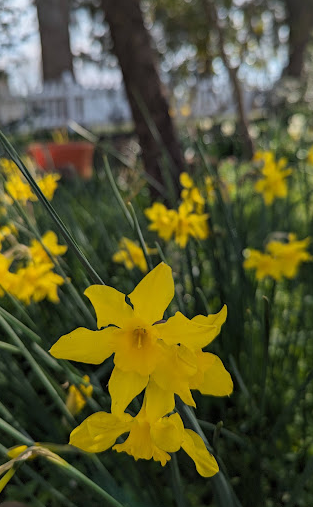
It is this seasonality that makes their bloom so special and memorable to us. As a child, I remember the joy I felt when we went daffodil picking on the roadside down from our driveway. Though their season lasted just a few weeks in March, its memory is still vivid and magical. Of course, everything, even the mundane, was thrilling as a child.
But even as a 39-year-old adult, I'm still nostalgic for my seasonal plant "friends." Every year I look forward to seasons of blooms far more than any of our holidays. The scripture tells us, "to everything, there is a season," and this rings true for so many aspects of the natural world. I won't get into the science of biological clocks, mostly because I don't understand it, but I do know that all plants can sense their environments and respond to changing day lengths. What is fascinating to me is that even bulbs, which remain underground and dormant, still have a sense of time and know when to emerge.

Yet, we live at the dawn of the age of biotechnology. And this revolution will change every aspect of our lives, including horticulture. Imagine a world where gardenias bloom from April till frost. Our yards would be perpetually perfumed with the sweetness of gardenia! But I'd argue, that we treasure plants not only for their physical beauty but also for their rarity. If we were subjected to a blooming rose for six consecutive months, no matter its beauty, it would inevitably lose its power over us. At a certain point, it would just become "background" decoration, much like our murals and sculptures. Do we really want flowers to become a permanent fixture in our lives?
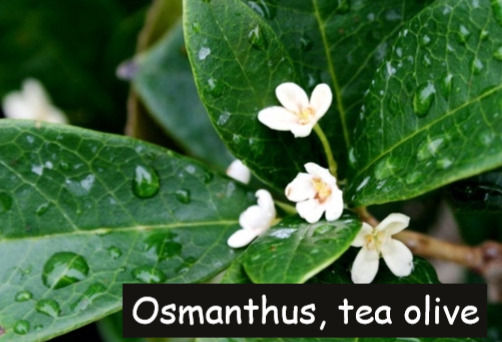
Over my lifetime, I've built a vast mental calendar centered on the bloom times of my favorite plants. When I get a whiff of tea olive (Osmanthus), for example, I'm instantly transported back to my college days in Athens. I remember a late summer campus walk during my second year at UGA. This scent is forever etched into my mind and reminds me that the endless oppressive summer will soon give way to cooler temps.
As you become a more and more observant gardener, you will begin to see the seasonal connections all around you. Right now, we are in the midst of Crinum season, and we are entering plum leaf azalea season or Rhododendron prunifolium. July is also a great time to look for rain lilies, especially after heavy summer thunderstorms. Every month brings with it the return of old friends.

The seasonality of plants gives us something to look forward to, or indeed, long for. I've spent many a hot sultry day in July thinking about spring ephemerals or September surprise lilies. As I learn more and more plants, the calendar in my head expands, and there isn't a time when something familiar isn't "in season".


Comments