
Easy Trillium for Middle Georgia
- Mar 24, 2023
- 3 min read
I've long been obsessed with our southeastern species of Trillium. I'm particularly enamored with the sessile types that perform best in the deep south. "Sessile" refers to the position of the flower relative to the 3 large leafy "bracts". In the sessile trilliums, the flower is typically directly on top of the leafy bracts and there is no pedicel or flower stalk.
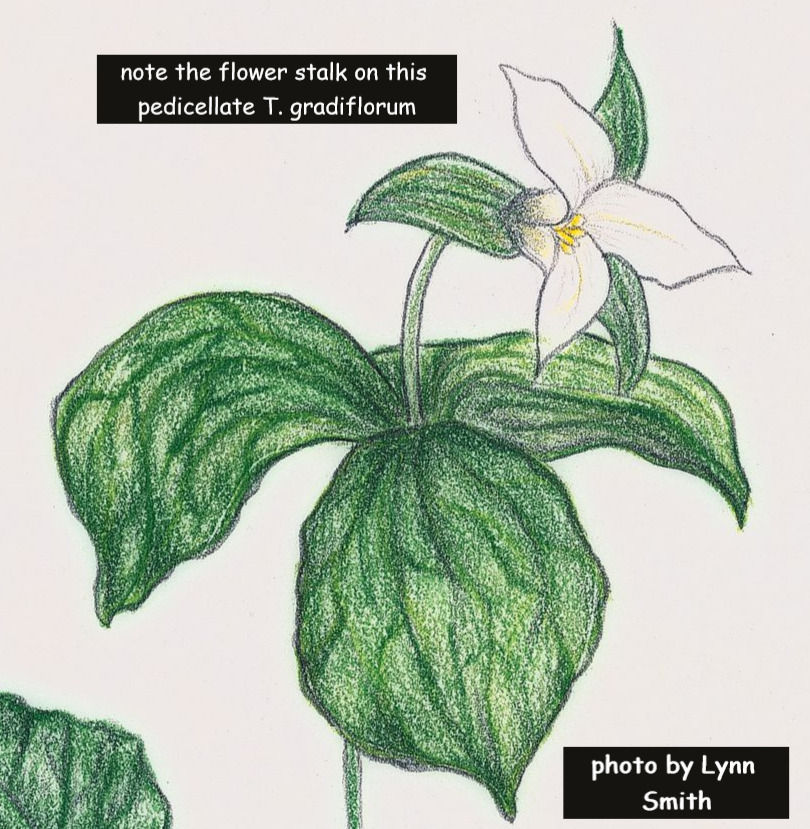
Sessile trilliums also differ from pedicellate trilliums in that they have a more pronounced camouflaging or mottled pattern to their leaves. They also have maroon to yellowish-green flower petals, while pedicellate species are usually white or red. Both types can exhibit both pleasant (fruity) and unpleasant (fecal, fungal, or fishy) smells.
While pedicellate species like T. grandiflorum are considered more "ornamental"as a rule, this group is less reliable in the deep south. There are exceptions, especially T. rugelii (which smells a bit like a wet dog), but I've had far more success with the sessile types.

If you want to start growing Trilliums and live in a place like central Ga, I'd suggest you start with a species like Trillium foetidissimum. Trillium experts often agree that if there ever was a weedy trillium, this would probably be it! It is a river-bottom species from Louisiana and Mississippi. But I've found it perfectly adaptable to any woodland soil as long as it receives ample moisture during its active growing season.
It is called "fetid" because, like many trilliums, it has evolved to be pollinated by flies, and flies are drawn to the fungal "carrion-like" odor emited by the fresh flowers. Another similar species is T. gracile. This is native further west along the Texas/ Louisiana boundary and blooms around 2 weeks after foetidissimum. By having both species, you will extend your flowering season well into March.

Another species I'd recommend for the beginning trillium enthusiast is Lance-Leaf Trillium or T. lancifolium. This species is highly variable depending on the population- some forms are short, some tall, and some with exceptionally long petals. Plant Delights Nursery usually offers numerous clones, and I'm particularly fond of the forms from northern Florida because of their clumping habit. In my garden, this speices has persisted and seeded itself into some unexpected places.

Now I'd be remiss if I didn't mention some of the controversies surrounding this amazing genus. Trilliums along with lady slippers have become a sort of poster species for native conservation and get a bad rap for being difficult to cultivate. It also doesn't help that many conservationists frown on growing trillium for the horticulture market. This is due to the fact that a few species are somewhat rare in nature. While Trilliums were once widespread all across the south, because of logging, and centuries of agriculture, they are no longer bountiful. They are also highly susceptible to overgrazing from deer and destruction from invasive hogs and armadillos.
But the answer to their long-term survival isn't sequestering them away in the "wild" and condemning people who grow and propagate them. While I respect alternative views and I certainly feel species like this should be protected, I think it is imperative for us as gardeners to learn how to grow and propagate these highly ornamental plants. Horticulture has tremendous powers to make what once was rare into something plentiful. Case in point, the Franklinia, a shrub that is now extinct in the wild and only persists today because it was collected and propagated by gardeners.
Speaking of propagation, growing from seed is probably my go-to method. But it is relatively slow and requires patience. Seed can take from 3 to 5 years to mature into a flowering plant. I'd suggest diving your seed into two groups- plant half of them into a small container (just below the soil surface). With the other group, I'd suggest direct seeding into the garden. The seed are highly attractive to wasps and ants, so quickly gather them and so them a shallow coating of soil.

Overall, this genus is a wonderful addition to the woodland garden. When they are happy you will find babies all around, for the seed is transported via wasps and ants and can pop up in some random places. You should also take some pride in the fact that you helping to ensure that these American treasures continue to proliferate on this amazing planet.


Comments